
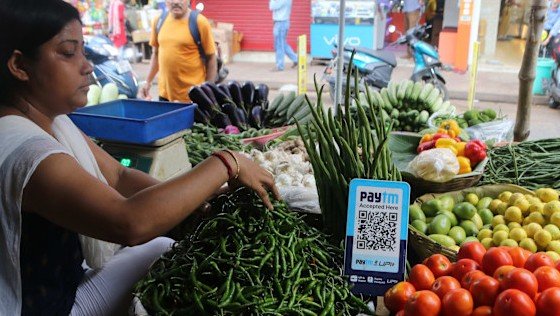
BRICS nations are making a concerted effort to expand their payment systems and boost cross-border links. This move signals a push for greater financial independence among member states, potentially reshaping global trade flows.
What are BRICS payment systems aiming for?
The core goal for BRICS countries, including Brazil, Russia, India, China, and South Africa, is to create faster and more cost-effective ways to transfer money and settle trade among themselves. By integrating their individual payment infrastructures, they seek to streamline transactions and reduce reliance on existing Western-dominated financial networks. This initiative aims to make it easier for businesses within the bloc to conduct trade and investment without needing to convert currencies through traditional channels, fostering internal economic growth.
How might BRICS payments affect the US Dollar?
A significant ambition behind the BRICS push for integrated payment systems is to lessen the global reliance on the US dollar for trade settlement. While the dollar remains the world’s primary reserve currency and a dominant force in international transactions, these efforts could introduce alternative pathways. Should BRICS nations successfully build robust, interconnected payment rails, a larger share of their collective trade could bypass dollar-denominated exchanges. This potential shift is being watched closely by investors and market professionals, as it could have long-term implications for currency markets and the broader architecture of global finance.
Leave a Reply