
Bitari Inc. Chases Nasdaq IPO: Unpacking Control and Listing Approval

Bitari Inc. Chases Nasdaq IPO: Unpacking Control and Listing Approval

Bitari Inc. filed an S-1 Amendment for an IPO of 4.28 million shares at $7.00, targeting a Nasdaq listing under "BIAI." AI Power X Inc. will maintain 85.87% control post-offering. Strategic partner Aleria Technology showed non-binding interest for $3 million in shares, though Nasdaq approval remains pending for the Texas-based AI data center firm.
Treasury Yields Surge: Wall Street Stocks Under Pressure as Fed Looms

Treasury Yields Surge: Wall Street Stocks Under Pressure as Fed Looms

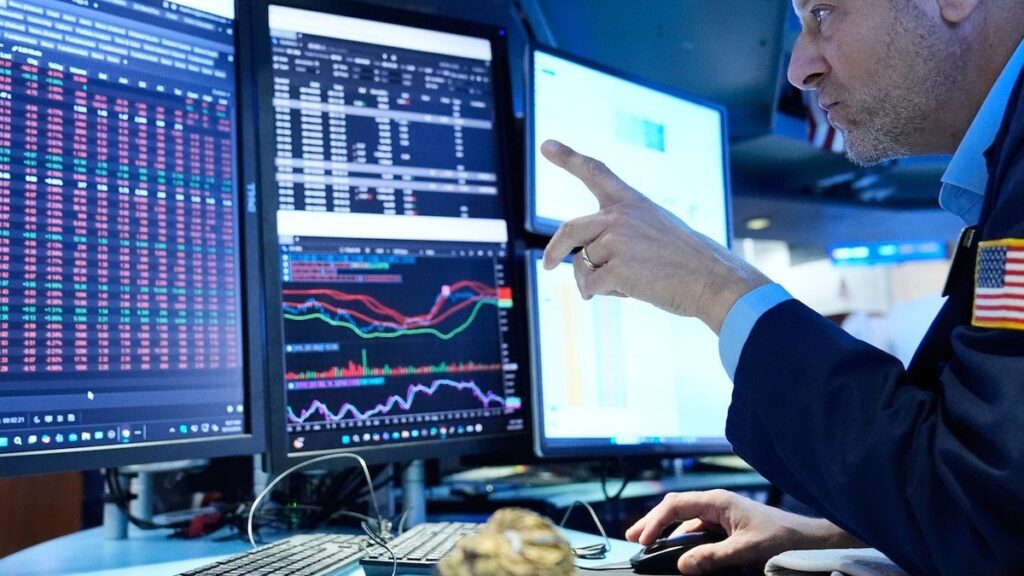
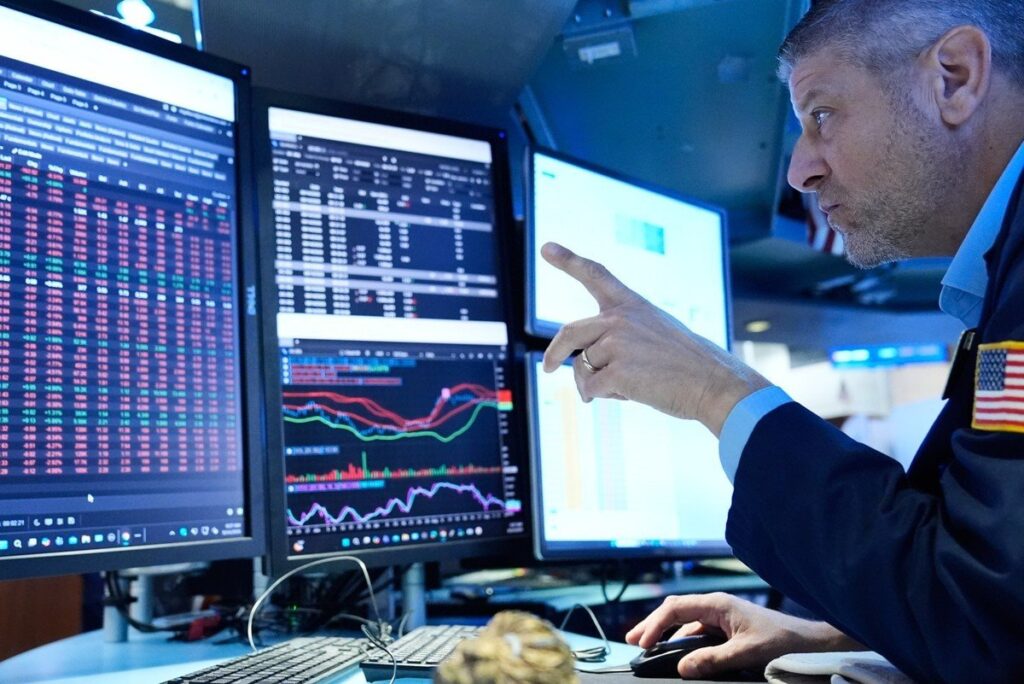
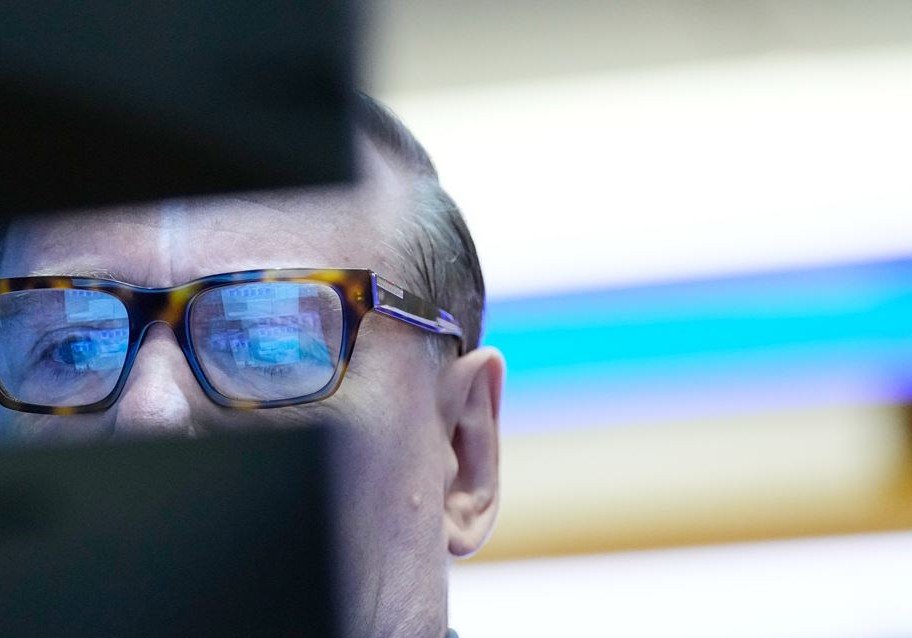
Wall Street stocks fell as rising U.S. Treasury yields, driven by persistent inflation concerns and hawkish Fed signals, pressured equity valuations. Higher yields increase borrowing costs and make fixed-income investments more attractive, particularly impacting growth stocks sensitive to discount rates. Investors are now closely watching Fed policy for market direction.
US Futures Tick Higher: Treasury Yield Spike Reignites Inflation Debate

US Futures Tick Higher: Treasury Yield Spike Reignites Inflation Debate

US stock futures showed modest gains Tuesday as oil prices retreated slightly and Treasury yields paused their climb. Global markets remain pressured by central bank rate hikes and geopolitical tensions in the Middle East, while CarMax soared on strong earnings and Oura postponed its IPO.
Anthropic, Gamma Leaders Probe AI Deployment Gap: Why Pilots Stall

Anthropic, Gamma Leaders Probe AI Deployment Gap: Why Pilots Stall

Leaders from Anthropic, Gamma, and Clay will address the disconnect between AI demos and successful enterprise deployment at TechCrunch Disrupt 2026. The discussion will explore why many AI pilot programs fail to transition into production, focusing on the critical factors for achieving real business value from AI integration.
Oil Shock Rocks Markets: S&P Dips, Bond Yields Hit 2007 Peak

Oil Shock Rocks Markets: S&P Dips, Bond Yields Hit 2007 Peak

US stocks fell Monday as Brent crude surged 2.6% to $99.96/barrel, driven by Middle East tensions, fueling inflation fears. The 10-year Treasury yield jumped to 5.27%, its highest since 2007. Nvidia bucked the trend, rising 1.9% on a massive $150 billion share buyback announcement, while airline and gold mining stocks declined.
Fed's Main Street Bet: Why Wall Street Isn't Cheering This Time

Fed’s Main Street Bet: Why Wall Street Isn’t Cheering This Time

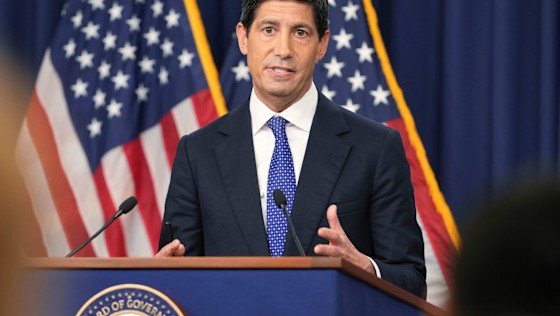
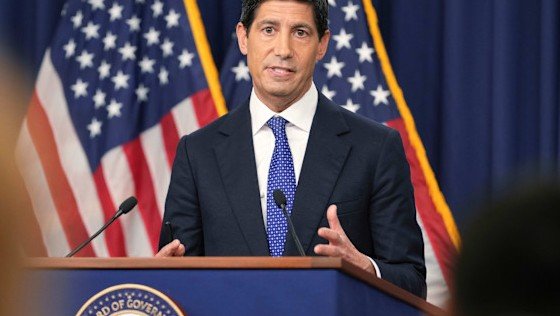
The Federal Reserve is prioritizing inflation control over immediate market appeasement, signaling a shift from the 'Fed put' era. This means higher interest rates and tighter liquidity for longer, impacting asset valuations and favoring companies with strong financials. Both US and UK economies face similar challenges.