
Key Takeaways
- Tesla showcased a flying Roadster prototype equipped with SpaceX-designed rocket thrusters at a test facility in McGregor, Texas.
- The nine-year wait for the updated Roadster concluded with a demonstration of its flight capabilities, merging automotive and aerospace technologies.
- Analysts are weighing the brand uplift and long-term revenue potential against the substantial research and development costs and regulatory hurdles for commercialization.
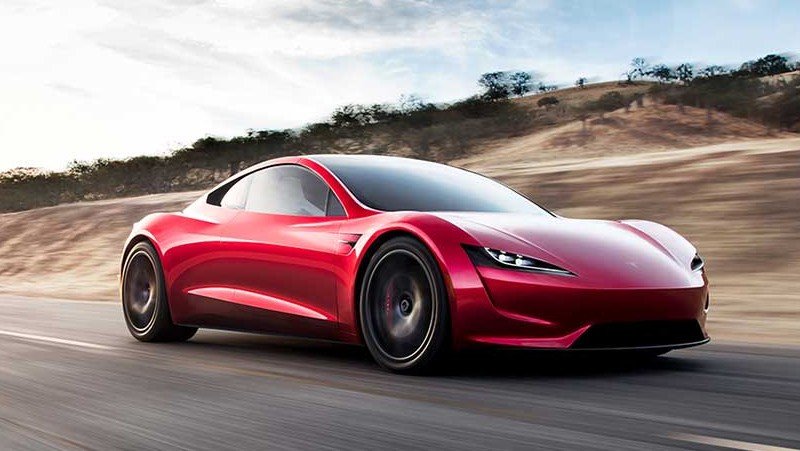
MCGREGOR, TEXAS The nine-year anticipation for the newest iteration of the Tesla Roadster culminated on Thursday night, as Tesla (TSLA) unveiled a prototype capable of flight. At a SpaceX (SPCX) test facility in McGregor, Texas, the electric vehicle giant demonstrated the Roadster’s integrated SpaceX-designed rocket thrusters, which propelled the car into the air, marking a significant crossover in automotive and aerospace engineering.
How Does the Flying Roadster Work?
The core technology behind the Roadster’s newfound aerial capability lies in its propulsion system, developed in collaboration with Elon Musk’s other venture, SpaceX. Sources close to the project indicate the vehicle integrates a series of cold gas thrusters, strategically placed around the car’s chassis. These thrusters are reportedly fed by a composite overwrapped pressure vessel (COPV), similar to those used in SpaceX’s rocket systems, enabling short bursts of thrust for vertical take-off and limited duration flight. While specific performance metrics such as altitude, range, and duration of flight were not immediately released, the demonstration confirmed the car’s ability to achieve sustained lift.
What is the Financial Impact on Tesla ($TSLA)?
For Tesla investors, the flying Roadster prototype presents a complex proposition. On one hand, the announcement generated considerable buzz, reinforcing Tesla’s reputation for innovation and pushing technological boundaries. This can translate into intangible benefits such as brand equity and continued interest from high-net-worth individuals and early adopters. However, the path to commercialization for a flying car is fraught with immense capital expenditure. Research and development costs for such an advanced product are likely to run into billions of dollars, potentially impacting Tesla’s free cash flow and near-term profitability. Regulatory bodies like the FAA in the United States and the CAA in the UK would need to establish entirely new frameworks for certification, air traffic control, and safety, a process that could take years, if not decades, to finalize.
When Can Investors Expect a Production Model?
While the prototype’s demonstration was impressive, industry experts suggest a production-ready flying Roadster is still a distant prospect. The development cycle for automotive products, even without aerial capabilities, typically spans several years. Adding rocket propulsion and flight systems introduces unprecedented engineering, testing, and regulatory challenges. Analysts project that a commercially available version, if ever produced at scale, would likely not hit the market before the mid-2030s. The immediate financial impact for Tesla will more likely be felt in increased R&D spending rather than near-term revenue generation from vehicle sales.
Analyst Perspective & Market Impact
The flying Roadster is undoubtedly a feat of engineering, but for $TSLA shareholders, it raises questions about capital allocation and long-term strategy. While the ‘halo effect’ on Tesla’s brand is undeniable, the immense cost of certifying and scaling such a product could divert resources from existing EV and energy storage segments. A significant portion of Tesla’s current $600 billion market cap is already attributed to its growth prospects and innovation. Adding a flying car to the pipeline, without clear revenue pathways or regulatory clarity, adds a layer of speculative risk to its valuation. Competitors in the urban air mobility (UAM) sector, such as Joby Aviation and Archer Aviation, are already navigating these regulatory waters with eVTOL designs, but the Roadster’s approach introduces a new set of challenges.
| Category | Analysis Points |
|---|---|
| Strengths | Unparalleled innovation & engineering talent; powerful brand synergy with SpaceX; strong ‘visionary’ leadership from Elon Musk; potential first-mover advantage in a niche segment. |
| Weaknesses | Extremely high R&D expenditures; highly uncertain regulatory path for flight certification; niche market with a likely astronomical price point; potential distraction from core EV business. |
| Opportunities | Creation of a new ultra-luxury mobility market; potential for technology transfer to other segments; leveraging government/military contracts for specialized transport; long-term disruption of conventional travel. |
| Threats | Intense competition from dedicated eVTOL startups; significant public safety and environmental concerns; prolonged regulatory approval processes; market acceptance and high insurance costs. |
Can Tesla realistically transition a high-cost, niche flying prototype into a scalable, revenue-generating product within the next decade, or is this primarily a brand-building exercise?
Leave a Reply