
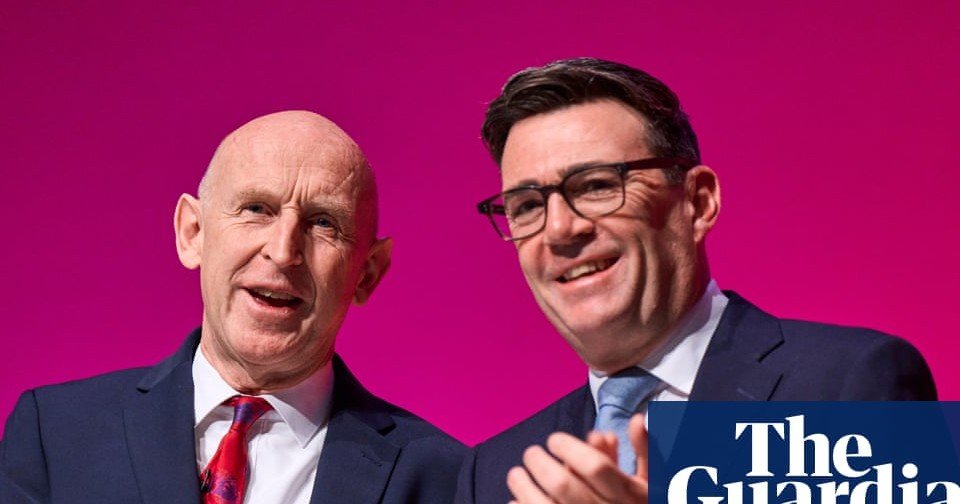
Key Takeaways
- Chancellor John Healey’s first budget introduces a 1.5 billion borrowing facility for regional mayors over the next two years.
- An initial 285 million in “good growth” funding will be allocated next year, targeting local priorities like housing and transport.
- The package aims to decentralize economic decision-making, moving power from Westminster to local leaders.
UK Chancellor John Healey has unveiled his inaugural budget, featuring a substantial devolution package designed to empower local leaders and boost regional economic growth. The centrepiece includes a new 1.5 billion borrowing facility available to regional mayors over the next two years, directly addressing long-standing complaints about their limited financial autonomy. This move marks a significant shift, with local authorities historically constrained compared to their counterparts in the United States and some European countries, which commonly issue their own bonds.
What Does Healey’s Devolution Package Include?
Healey’s budget allocates a fresh 1.5 billion borrowing facility, drawn up in collaboration with mayors, enabling greater local control over significant infrastructure and development projects. This facility intends to circumvent the traditional cap in hand approach to Westminster for individual project approvals. Alongside this, an initial 285 million in good growth funding is earmarked for the next fiscal year, allowing local leaders to directly invest in priorities such as housing, improved transport links, or high street regeneration. Recognising potential administrative challenges, the Treasury will also provide 150 million in support to help local authorities scale up their operations and build expertise to manage these expanded budgets effectively.
Why is Devolution a Key Economic Strategy for the UK?
The UK’s economic landscape has historically been more centralised in terms of tax and spending compared to many other leading economies. Figures like Greater Manchester Mayor Andy Burnham have consistently highlighted the constraints faced by local administrations. The new package is an attempt to reverse this trend. Beyond the immediate funding, the budget lays the groundwork for a new system to begin in 2028, where some income tax revenue will be directly handed to local areas. This long-term security measure, initially proposed by Healey’s predecessor, Rachel Reeves, aims to incentivise local leaders to pursue pro-growth policies by allowing them to retain a portion of the additional revenues generated by a stronger local economy. This mechanism seeks to align local decision-making with direct financial benefit, fostering greater entrepreneurial spirit at the regional level.
Beyond Devolution: What Else is in Healey’s Budget?
While devolution takes centre stage, Healey’s first budget also addresses broader national economic pressures. The Chancellor is expected to introduce measures aimed at supporting households grappling with rising energy costs, a consequence of the ongoing war in the Middle East. Modest tax rises are anticipated, specifically targeting banks, as part of an effort to balance the national accounts. Higher energy bills have pressured household finances and simultaneously increased interest rates on government borrowing. Healey will detail how he plans to fully fund the four-year defence investment plan announced under the previous administration. However, the budget will not commit to a timeline for reaching 3% of GDP spending on defence, an issue that had previously caused political friction. This decision is likely deferred until a future spending review next year.
Analyst Perspective & Market Impact
Healey’s devolution package represents a significant, albeit gradual, attempt to rebalance the UK’s economic geography. By granting regional mayors substantial borrowing power and direct funding streams, the government is betting on local insights to drive more effective capital allocation and project delivery. This mirrors successful models in the US where municipal bonds finance local infrastructure. The long-term plan to share income tax revenues could create powerful incentives for local authorities to foster economic dynamism, potentially reducing regional disparities. However, the success hinges on local authorities’ capacity to execute these larger budgets efficiently, and the 150 million support package acknowledges this critical risk. Investors should monitor regional growth metrics and project pipeline acceleration as key indicators of this strategy’s efficacy.
| Strengths | Weaknesses |
|---|---|
|
|
| Opportunities | Threats |
|
|
Will John Healey’s devolution push genuinely unlock stagnant regional growth across the UK, or will inherent challenges in local administrative capacity and oversight limit its transformative impact on the national economy?
Leave a Reply