
Key Takeaways
- SpaceX secured a substantial $40 billion debt deal, earmarked for purchasing AI graphics processing units (GPUs).
- The capital injection will fuel SpaceX’s rapidly expanding neocloud division, which rents AI processing power to other companies.
- Elon Musk stated that SpaceX’s diversified operations and investment-grade credit rating position it uniquely, predicting funding difficulties for less diversified AI competitors.
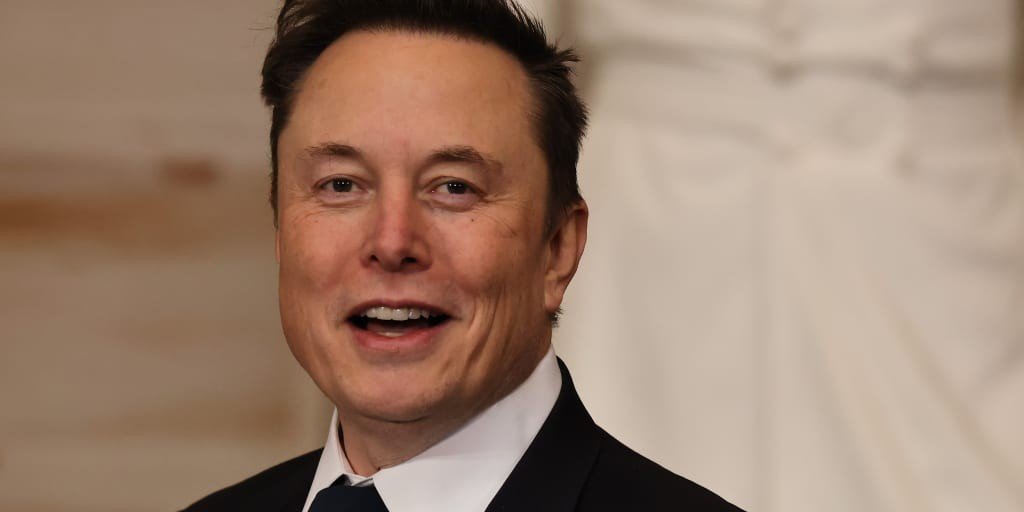
SpaceX, the aerospace manufacturer led by Elon Musk, successfully closed a $40 billion debt deal, a move Musk indicated would allow the company to fortify its position in the competitive artificial intelligence sector. Announced on October 26, 2026, the financing is specifically allocated for the acquisition of graphics processing units (GPUs), critical hardware for AI computation, according to MarketWatch.
SpaceX’s AI Expansion and Capital Strategy
The new debt capital is set to bolster SpaceX’s expanding neocloud business. This division focuses on providing access to high-demand AI chips for companies requiring significant processing power. According to Musk’s statements on X, the deal’s success is directly attributable to SpaceX’s diversified business model, which spans satellite internet (Starlink), rocket manufacturing, and space launches, alongside an investment-grade credit rating.
This strategic pivot for SpaceX leverages its strong market standing and broad operational base to penetrate the lucrative AI infrastructure market. By expanding its GPU capacity, SpaceX aims to become a key player in renting out processing power, positioning itself as a foundational service provider for the AI industry.
Musk’s Market Warning to AI Rivals
In the same address, Musk issued a stark warning to other companies operating solely or primarily within the AI space. He suggested that less diversified competitors, particularly those without established revenue streams or investment-grade credit, would struggle to secure similar financing in what he described as a more cautious artificial intelligence investment environment. The implication is that access to capital, specifically debt, will become increasingly challenging for pure-play AI firms, potentially limiting their ability to scale and acquire necessary hardware like GPUs.
Analyst Perspective & Market Impact
The $40 billion debt deal positions SpaceX with a significant capital advantage in the fiercely competitive AI infrastructure market. While many AI startups rely heavily on equity financing, often at elevated valuations, SpaceX’s ability to secure large-scale debt at favorable termsowing to its diverse revenue streams and strong credit profileprovides a lower cost of capital. This directly impacts gross margins for its neocloud business, allowing it to potentially undercut competitors or achieve higher profitability. For smaller, undiversified AI firms, Musk’s comments signal a tightening credit market, implying higher borrowing costs, or even an inability to access the capital needed to procure essential GPUs. This creates a liquidity risk for firms with substantial capital expenditure requirements and limited operational cash flow.
| Characteristic | SpaceX | Typical AI Startup |
|---|---|---|
| Business Model | Highly diversified (Space launch, Starlink, Neocloud AI) | Often single-focused on AI software/services |
| Credit Rating | Investment-grade | Typically non-investment grade or unrated |
| Access to Debt Capital | Significant, lower-cost ($40B deal) | Limited, higher-cost, or equity-dependent |
| Liquidity Risk | Lower due to diversified cash flow & credit access | Higher, especially for hardware-intensive operations |
Will a tighter credit market for AI startups lead to increased consolidation, or will it force a fundamental shift in how pure-play AI companies finance their growth and hardware acquisitions?
Leave a Reply