
🤖 FiniPot AI Insights
BitMart’s abrupt closure and subsequent withdrawal issues raise significant concerns about user asset safety. The exchange’s announcement, following a period of apparent growth and expansion, suggests a sudden and potentially unforeseen event or strategic shift. The on-chain data showing prior ETH and stablecoin outflows from tracked wallets, coupled with user reports of withdrawal delays and lack of transparency regarding processing times for manual reviews, creates a critical situation for its customers. This scenario echoes historical events where withdrawal freezes preceded exchange collapses, intensifying market sensitivity and distrust towards centralized platforms.
Quick Summary
- Cryptocurrency exchange BitMart is ceasing operations on **January 31, 2027**, after nine years in business.
- Users report delays and difficulties withdrawing funds, with on-chain data showing significant ETH and stablecoin outflows prior to the announcement.
- BitMart cites an assessment of operating conditions and market environment for the closure, but has not specified a financial or regulatory trigger.
BitMart, a cryptocurrency exchange, has announced its immediate shutdown, with trading services ending on August 26, 2026, and full operations ceasing by January 31, 2027. This abrupt decision follows a period of apparent expansion, including securing an Australian Financial Services License in June and reporting substantial growth in assets under management.
The exchange stopped accepting new registrations, deposits, and orders on July 26, 2026. These moves come after earlier service cuts, such as the discontinuation of its Spot Margin service and the suspension of its Automated Market Making Bot, which BitMart had described as efforts to enhance security and reliability.
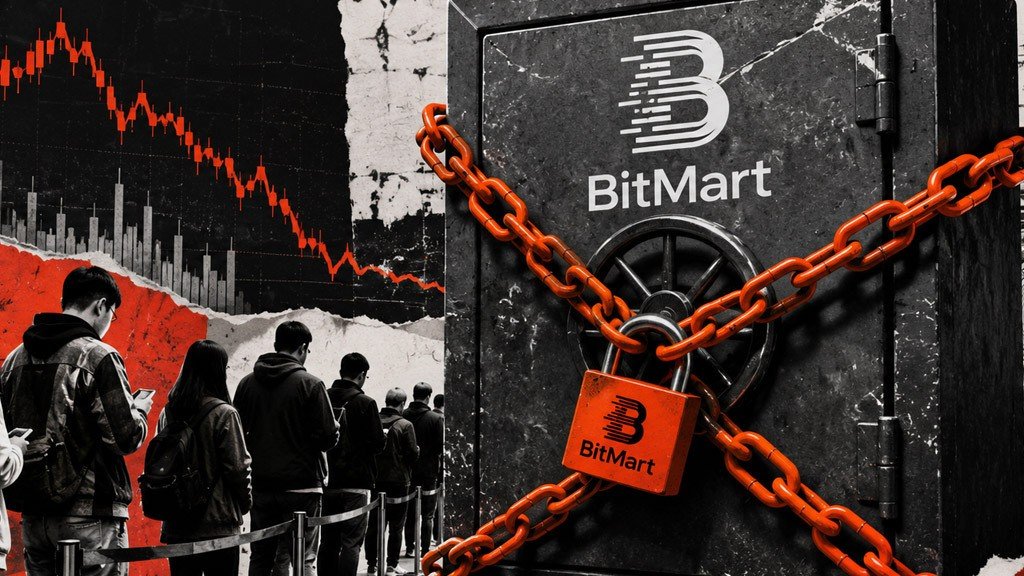
However, the sudden closure is now shadowed by concerns over user fund withdrawals. Numerous customers and crypto projects have voiced difficulties in accessing their assets. On-chain data analysis from Nansen indicates that a significant portion of ETH and stablecoin balances in BitMart’s tracked wallets were transferred out in the days leading up to the shutdown announcement, leaving the wallets with less liquid reserves.
Despite these on-chain movements, the actual outflows from identified wallets since the announcement appear limited. Blockchain analysis platforms like Lookonchain and Onchain Lens have reported minimal withdrawals, with some periods showing no processing activity for Bitcoin, stablecoins, or altcoins above certain thresholds. This has intensified user anxiety, especially as BitMart now urges customers to withdraw their funds.
Some crypto projects, like Paxi Network, have publicly called on BitMart to release funds they claim belong to their users and market makers, citing financial damage due to withdrawal delays. BitMart has not yet publicly addressed these specific claims.
This situation echoes past concerns surrounding BitMart’s accessibility of customer funds. In May, the exchange addressed allegations of withdrawal issues, attributing them to restrictions on 239 accounts involved in an alleged organized effort to exploit trading subsidies. At that time, BitMart also stated it was preparing a proof-of-reserves disclosure.
BitMart has not officially confirmed a liquidity shortage. However, its stated wind-down procedures may explain the withdrawal delays. The exchange recommends users complete identity verification, close all trading positions by August 26, 2026, and submit withdrawal requests before 05:00 UTC on the same day.
Critical Question: Are My Funds Safe on BitMart?
BitMart states that withdrawals may undergo manual reviews, including KYC, device, IP, and wallet checks, along with source of funds and trading history assessments. High volumes, additional documentation, blockchain congestion, and compliance reviews could extend processing times. The exchange has not provided a maximum timeframe for these reviews, leaving users dependent on BitMart’s internal processes during its shutdown. Given the on-chain data and user reports, caution is advised.
BitMart indicates that certain withdrawals might face extended processing due to manual reviews covering KYC information, login devices, IP addresses, destination wallets, and blockchain transaction risks. The exchange may also scrutinize customers’ source of funds, trading history, and conduct sanctions checks, potentially requesting proof of address, funds, or wallet ownership.
The firm warned that these extensive checks, combined with high withdrawal volumes and potential blockchain congestion, could significantly lengthen processing times. They stressed that submitting a withdrawal request does not guarantee immediate asset transfer to the blockchain.
The proximity of BitMart’s shutdown announcement to that of BitMEX, which is also ending operations on September 23, 2026, is reviving scrutiny of the risks associated with holding assets on centralized exchanges, particularly during bear market conditions. The current withdrawal issues at BitMart are drawing comparisons to the events of 2022, when withdrawal freezes were often the first indicators of deeper financial distress for platforms like Celsius, Voyager Digital, and FTX.
Leave a Reply