
Key Takeaways
- Stuart Kaiser of Citi warns the Federal Reserve is aggressively targeting long-term inflation expectations.
- The central bank’s actions aim to prevent a 1980s-style cycle where higher prices become embedded.
- Fed policy remains hawkish, countering average equity investor comfort with a 3% inflation baseline.
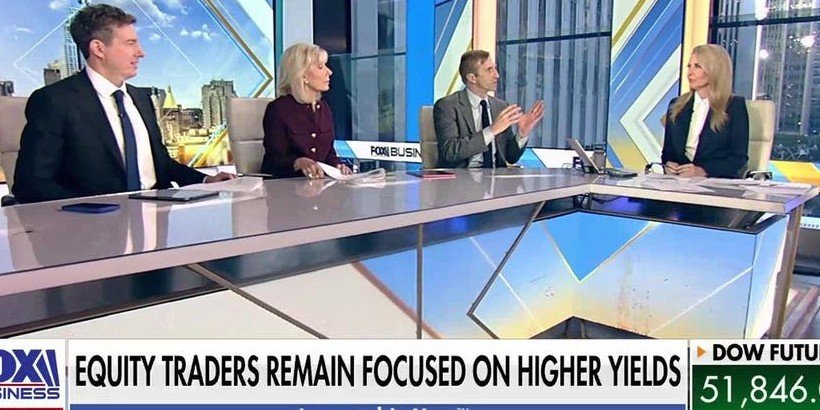
The Federal Reserve is maintaining an aggressive stance to anchor long-term inflation expectations, a strategy designed to prevent a repeat of the high-inflation environment seen in the 1980s. Stuart Kaiser, Citi’s Head of U.S. Equity Trading Strategy, issued this warning on October 6, 2026, highlighting the central bank’s determination even as average equity investors express comfort with a 3% inflation rate.
Kaiser explained that the Fed’s primary focus remains on discouraging workers and corporations from adapting to higher price baselines. This pre-emptive action is critical to avoid a self-reinforcing cycle where expectations of rising prices drive further wage and cost increases, making inflation more persistent.
The Federal Reserve’s Inflation Goal: A Hard Line Against 3%
The implicit inflation goal for the Federal Reserve, as understood through its recent actions and commentary, is to keep price increases significantly below the 3% level that many market participants currently find acceptable. While some equity investors might view 3% inflation as a tolerable outcome, potentially even beneficial for asset prices in the short term, the Fed sees it as a slippery slope towards ingrained inflationary pressures. The central bank’s mandate extends beyond immediate market comfort, prioritizing price stability to ensure long-term economic health and purchasing power.
Goals of Monetary Policy: Anchoring Long-Term Expectations
A core goal of the Federal Reserve’s monetary policy is to firmly anchor long-term inflation expectations. This involves convincing the public, businesses, and markets that inflation will revert to and remain around the Fed’s target (historically 2%). When expectations are anchored, temporary price shocks are less likely to translate into permanent shifts in wage demands or pricing strategies. Kaiser’s analysis emphasizes that the current aggressive posture is directly aimed at this objective, striving to prevent any widespread belief that higher inflation rates are here to stay, which could dislodge these crucial expectations and lead to systemic instability.
Federal Reserve Strategy Through 2026: Avoiding Past Mistakes
The Federal Reserve’s strategy, as observed in late 2026, centers on drawing lessons from historical periods, particularly the 1970s and early 1980s, when inflation spiraled out of control. Back then, policymakers struggled to contain rising prices because inflation expectations became deeply embedded, leading to a prolonged period of economic instability. The current approach involves proactive and sometimes painful interest rate decisions to disrupt any emerging patterns of adaptation to higher prices. By demonstrating a credible commitment to its inflation target, the Fed hopes to avoid the need for more drastic and economically damaging interventions in the future, even if it means short-term market friction.
Analyst Perspective & Market Impact
The tension between Federal Reserve resolve and market complacency on inflation creates a complex environment for investors. While some equity valuations may discount a higher, but stable, inflation rate, the Fed’s stated objective implies a willingness to maintain tight monetary conditions for longer than many expect. This could translate into continued pressure on growth-sensitive sectors and potentially higher bond yields, impacting financing costs for corporations and dampening consumer spending. Retail and institutional investors should consider the implications of a central bank committed to disrupting ingrained price expectations, even at the cost of short-term market headwinds.
| Metric/Strategy | Federal Reserve (Current/2026 Stance) | Federal Reserve (1980s Cycle) |
|---|---|---|
| Primary Goal | Anchor long-term inflation expectations | Bring down runaway double-digit inflation |
| Implicit Inflation Target | Below 3% (targeting 2%) | Reduce from ~13% |
| Key Concern | Workers/firms adapting to moderate-high prices | Persistent wage-price spiral and dislodged expectations |
| Market Perception | Investors comfortable at 3%, Fed remains aggressive | “Volcker shock,” severe recession, high unemployment |
Can the Federal Reserve successfully recalibrate inflation expectations without inducing a significant economic slowdown, or will market complacency at 3% inflation prove a persistent hurdle?
Leave a Reply