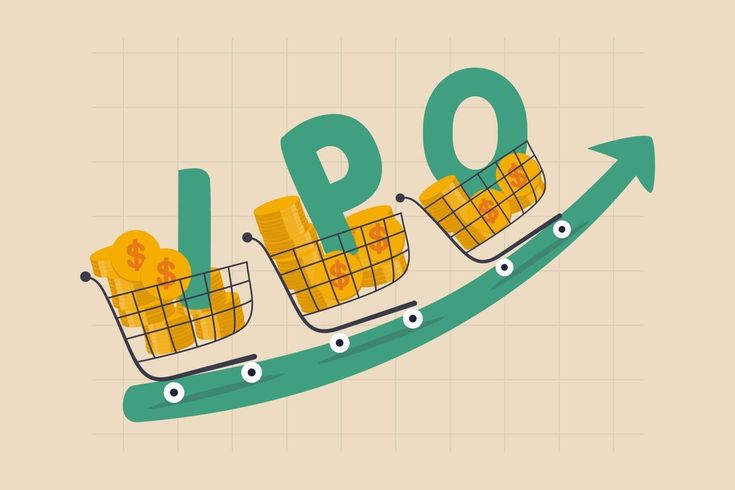
Have you ever come across the concept of an IPO, but you don’t understand what it is? We need to simplify it, so even in case you are not that much into the financial world, you will still understand how it works, and how it can affect you and your family.
What Is an IPO? A New Chapter for a Company
An Initial Public Offering is called an IPO. The stock market will be the first time a private company is selling its shares to the attention of the market. It can be explained in this way: an enterprise that used to belong to a narrow circle of individuals is now all set to be sold to other people, like you and me, and even huge investment companies.
It is a huge step. The companies tend to go public to get more money, expand quickly, employ more individuals, or even introduce new products.
Why Do Companies Go Public?
These include a couple of big reasons:
1. To Raise Capital: The sale of shares assists the company in raising money from the public.
2. To Grow Fast: They will be able to open additional stores, develop superior apps, or enter additional markets with which more money.
3. To Create Trust: Exposure and trust are achieved by being listed on a stock exchange.
4. To Compensate the Early Investors: Risk takers who had put their faith in the company at an early stage stand a chance of cashing in today.
What Does It Mean for Everyday People?
Now this is where it becomes exciting to families, parents who work, and first-time investors.
At the time that a company offers its IPO, individuals are able to purchase shares and serve as partial owners. This provides you with an opportunity to increase your money in case of the company performs well. Nevertheless, it is also a risky side, as the prices may increase or decrease according to the market.
Other families invest in IPOs as long-term plans, such as saving towards a child’s educational expenses or a future house.
How Can You Buy Shares in an IPO?
You require a demat account and a trading system. When the IPO is open, you are able to apply with your broker to purchase shares. Provided you are fortunate enough to get the shares and provided the demand is not excessively heavy, you will have them at the issue price. Afterwards, they will be traded as any other stock on the stock market to be bought or sold.
Pros and Cons of Investing in IPOs
Pros:
1. Chance to invest early in big-name companies
2. Lower the entry price before the company becomes more valuable.
3. Long-term growth potential
Cons:
1. High demand means you might not get shares.
2. Risk of price falling after listing
3. Hard to predict future performance
IPO Examples That Made Headlines
Over the years, several well-known companies have launched IPOs and grown big. Some gave great returns, while others didn’t perform as expected. That’s why it’s important to research before you invest.
Final Thoughts: Should You Invest in IPOs?
IPO is an excellent way to begin an investment practice, but only under the condition of knowing the risks. If you are a parent or young adult who is being taught finance, an IPO presents a real-life situation of how businesses can expand and how money can also expand with intelligent decisions.
Then the next time you hear the phrase IPO, you will be in a better position to understand that it is not all business, but it is also an opportunity.
Leave a Reply