
Key Takeaways
- Over half (57%) of the UK’s 1,347 government-backed levelling up projects remained incomplete as of May 2026.
- Inflation and a centralized “begging bowl” funding model significantly hampered project delivery and increased costs.
- Labour’s new 5.8 billion Pride in Place programme aims for longer-term, localized investment with a new March 2028 deadline for consolidated funds.
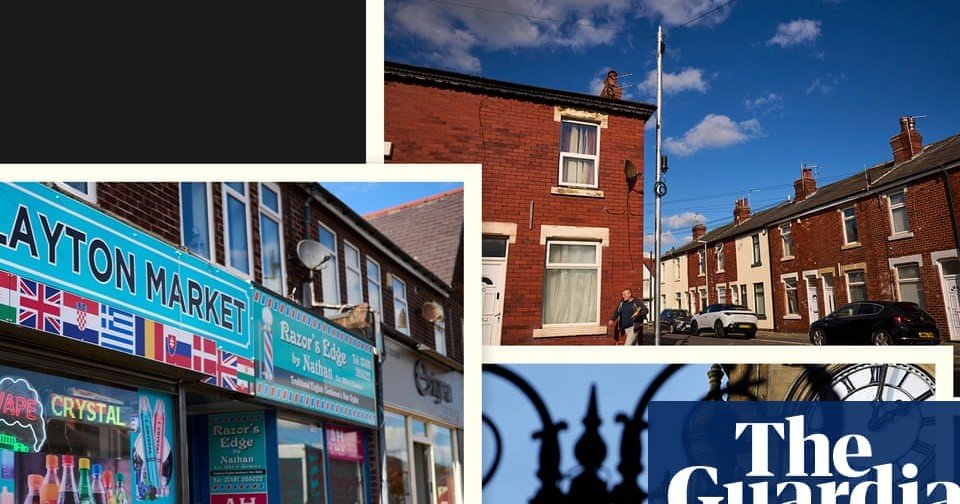
More than half of the United Kingdom’s ambitious “levelling up” projects, designed to revitalize left-behind towns and regions, remain unfinished years after initial funding allocations. Data reviewed by the Guardian revealed 821 out of 1,347 projects, approximately 57%, were not finalized by May 2026, casting doubt on the efficacy of the multi-billion-pound initiative.
The delayed projects span various core funds, including the Future High Streets Fund (launched 2018), Town Deals (2019), and the Levelling Up Fund (2021). The Future High Streets Fund had an initial completion target of March 2024, while the official deadline for spending Towns Fund and Levelling Up Fund money was March 2026. This significant lag raises questions about government spending efficiency and regional economic development.
Inflation and Centralized Funding Spark Delays
A primary driver for the widespread delays has been elevated inflation, which eroded the purchasing power of allocated budgets. Councils across the UK faced increased costs for materials and labour, forcing them to scale back or pause projects. Zo Billingham, director of the IPPR North thinktank, criticized the Conservative government’s Town Fund for creating a “begging bowl culture” where local authorities had to compete for centrally controlled grants from Whitehall.
Andy Haldane, former Bank of England chief economist, echoed this sentiment, describing the Levelling Up Fund as “the kind of worst of Whitehall” due to its centralized decision-making and perceived “pork barrel politics.” This approach, critics argue, hindered agile execution and tailored local solutions, resulting in capital allocation inefficiencies and slow progress.
Regions Grapple with Stalled Development
The sluggish pace of delivery has been particularly acute in Wales, Scotland, and Northern Ireland, despite these regions receiving fewer overall projects. North-west England and Yorkshire, while allocated the most projects, also recorded low completion rates. Specific examples include Blackburn with Darwen council, which had eight Local Regeneration Fund projects funded, none fully completed. Similarly, all eight projects in Leeds, including significant infrastructure and community initiatives, remain unfinished as of the latest data.
These delays mean that promised infrastructure upgrades, high street regenerations, and community facility improvements have yet to materialize, leaving many communities in a holding pattern and potentially impacting local business confidence and investment.
Labour’s New Approach: A Shift in Funding Dynamics
In response to the identified shortcomings, the Labour government has consolidated the Levelling Up Fund and Town Deals into the Local Regeneration Fund, extending the deadline for spending to March 2028. Additionally, Labour launched the 5.8 billion Pride in Place programme. This new initiative aims to provide longer-term funding, with local boards empowered to decide on spending, moving away from the competitive grant application model.
Jack Shaw, director of Groundwork Research, noted that while Pride in Place, offering 2 million annually over 10 years, is a step forward for its certainty and duration, the government must also find ways for investment to reach communities more quickly. Sarah Longlands, chief executive of the Centre for Local Economic Strategies, cautioned that capital projects inherently take time, suggesting even Labour’s new programme could face similar timing pitfalls if not carefully managed.
Analyst Perspective & Market Impact
The significant delays in UK levelling up projects reflect a broader challenge in government-led infrastructure spending and can impact investor confidence in regional economic growth. From a fiscal standpoint, allocated funds tied up in incomplete projects represent capital that is not yet generating its intended economic return. Persistent inflation, as seen, directly erodes the real value of these commitments, potentially forcing further budget revisions or scaling back of ambitions. For investors, this scenario flags risks around the efficiency of public sector investment and its ability to stimulate demand or create new economic opportunities at the local level. The shift towards longer-term, decentralized funding via programmes like Pride in Place, with a 5.8 billion commitment, aims to de-risk delivery and provide stability, but the successful execution remains critical for boosting regional GDP and reducing socio-economic disparities.
| Framework Component | Analysis: UK Levelling Up Strategy |
|---|---|
| Strengths | Addresses critical regional inequality; broad ambition to improve public spaces, high streets, and local economies. |
| Weaknesses | High project incompletion rate (57% by May 2026); centralized funding model fostered competition, not collaboration; short-term funding pots rather than sustained strategy; inflation eroded budgets. |
| Opportunities | Labour’s shift to a 5.8bn decentralized Pride in Place programme with longer-term funding (10 years) and local decision-making offers potential for greater efficacy and stability; extended project deadlines (March 2028). |
| Threats | Continued project delays and cost overruns; erosion of public trust in government delivery; potential for the new decentralized model to face similar execution challenges with capital projects; ongoing inflationary pressures. |
Can the UK’s regional regeneration drive overcome past failures, or will inflation and policy shifts continue to stall critical economic investment, impacting broader national growth prospects?
Leave a Reply