
Key Takeaways
- BloombergNEF projects global metal supply shortages to ease for most transition materials, a significant improvement from prior forecasts.
- Copper remains a critical exception, facing a 44% supply deficit by 2050, requiring $332 billion in new mine investment.
- Demand for lithium and graphite is set to surge due to the battery boom, while LFP adoption reduces cobalt and nickel demand.
London, October 20, 2026 Global shortages of metals crucial for the energy transition are largely expected to ease, a marked improvement from earlier dire forecasts. However, a persistent and expanding copper deficit could severely impede the pace of electrification worldwide, necessitating a massive $332 billion investment in new mining capacity, according to BloombergNEFs (BNEF) recently published Transition Metals Outlook 2026.
Just a few years prior, widespread metal scarcity posed a significant threat to the global shift towards cleaner technologies. BNEF’s latest analysis indicates that nine of the 10 materials studied are now on track for sufficient long-term supply capacity through 2050, assuming continuous development and replacement of depleted reserves by producers. This contrasts sharply with last year’s outlook, which flagged three materials as facing deficits.
Copper’s Looming Crisis: The $332 Billion Investment Gap
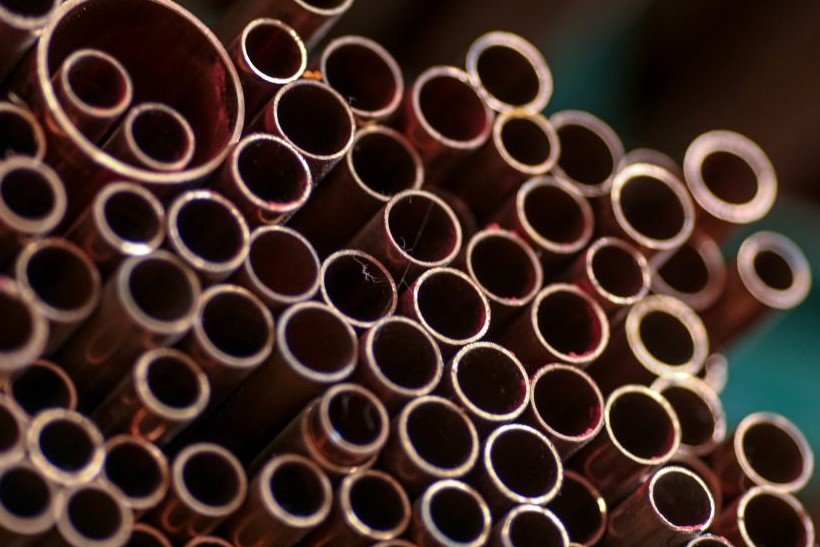
Copper stands as the primary concern. BNEF forecasts a supply deficit beginning as early as 2028, expanding to a formidable 20 million metric tons by 2050. This shortfall is equivalent to 44% of projected global demand and could drive up prices, compel manufacturers to seek alternative, potentially less efficient, materials, and slow the deployment of electric vehicles, advanced batteries, and essential electricity grids.
Bringing new copper mines into operation is a protracted process, averaging 17 years. Even with the necessary capital injection, the deficit could persist for decades, compounded by declining ore quality and years of underinvestment in exploration. Demand for copper is projected to increase by 61% between 2026 and 2050, reaching nearly 46 million tons. The surge is largely driven by electrified transport, where copper use is expected to jump by 244% to 11.4 million tons.
Shifting Fortunes for Key Battery Metals
The outlook for other critical battery components presents a mixed picture. Demand for lithium is forecast to nearly triple, from 1.6 million metric tons of lithium carbonate equivalent in 2026 to 4.8 million tons by 2050. Similarly, graphite demand is expected to more than double, rising from 3.3 million metric tons to 6.9 million tons over the same period. Both commodities are propelled by the rapid expansion of electric vehicles and energy storage solutions.
Conversely, the widespread adoption of lithium iron phosphate (LFP) batteries has tempered BNEF’s projected demand for cobalt and nickel, a notable adjustment from earlier reports. While these materials show improved long-term supply, short-term availability risks persist. Lithium, for instance, faces a temporary deficit, expected to resolve as new capacity comes online in 2027. Palladium’s deficit is anticipated to continue until approximately 2034.
China’s Dominance and Supply Security Risks
The report highlights significant supply security concerns stemming from Chinas continued dominance in global metals refining. Eight of the 10 materials analyzed have more than half of their refining capacity concentrated in a single country, with China hosting seven of these. This geographic concentration exposes global supply chains to potential geopolitical or logistical disruptions, a key consideration for governments and corporations.
Analyst Perspective & Market Impact
Martin Tengler, Head of Metals and Mining at BloombergNEF, commented on the dramatic shift in outlook. He noted that investment in new supply and battery technology advances have alleviated many concerns from just a few years ago. “The challenge now is less about whether the world can produce enough metals overall, and more about whether the right materials will be available when and where they are needed,” Tengler stated. For investors, this implies a bifurcation in the commodities market: specific, long-term plays in copper mining and exploration may offer substantial upside, while other transition metals could experience price pressures due to easing supply concerns and technological shifts. The refining concentration in China also introduces a geopolitical risk premium into supply chain assessments, impacting long-term investment decisions and national industrial policies.
The Role of Recycling and Price Pressures
The easing of some supply constraints is projected to exert long-term downward price pressure on certain metals, including cobalt, lithium, manganese, nickel, and palladium. This could compel miners to cut costs, limit production, or even close existing capacity. Materials like graphite, platinum, and steel, previously projected to face deficits, have now shifted to anticipated surpluses compared with last years outlook.
Meeting future demand will increasingly rely on recycling. BNEF indicates that six of the 10 materials studied will require significant recycling efforts to meet projected demand by 2035, a figure rising to eight by 2050. This necessity underscores the growing importance of circular economy initiatives and advanced recycling technologies in the metals sector.
| Metal | Demand Outlook (2026-2050) | Supply Outlook (2050) | Key Market Factor |
|---|---|---|---|
| Copper | +61% to 46M tons | 44% Deficit (20M tons) | $332B investment gap, 17-year mine lead time |
| Lithium | Triples to 4.8M tons | Temporary deficit (until 2027) | Battery boom driver, new capacity easing |
| Graphite | Doubles to 6.9M tons | Sufficiency expected | Battery boom driver, shifted to surplus outlook |
| Cobalt & Nickel | Reduced projections | Sufficiency expected | LFP battery adoption reduces demand |
| Palladium | Not specified | Deficit until ~2034 | Short-term constraints persist |
The Big Question: Can global mining investment overcome the 17-year lead time for copper, or will the deficit force a re-evaluation of electrification timelines and manufacturing material choices?
Leave a Reply