
Key Takeaways
- Waitrose is investing 1 billion in its store portfolio, opening its first new supermarket in eight years in Cricklewood, north London.
- The grocer plans to open up to four large supermarkets and 100 convenience stores over five years, alongside refurbishing 29 existing outlets.
- Despite sales growth of 4% in the first half of the year, underlying operating profit fell by 7m to 103m due to price investments and higher energy costs.
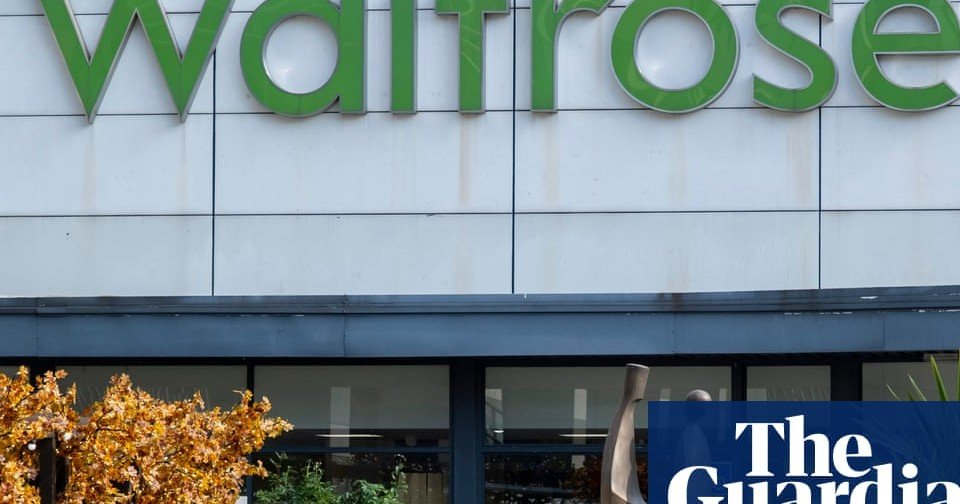
Waitrose has launched its first new supermarket in eight years in Cricklewood, north London, as part of a substantial 1 billion investment plan aimed at revitalising its retail presence. The upmarket grocer will also open another store in Hale Barns, Greater Manchester, next month. This expansion signals a renewed focus on physical retail for the brand after a period marked by IT issues that impacted stock availability.
The Cricklewood opening is the vanguard of Waitrose’s ambitious growth strategy. Beyond the initial two supermarkets, the company intends to launch four smaller formats next year, including a supermarket in Oakham, Rutland, and three convenience stores in Bedminster (Bristol), Chalk Farm (London), and Springstead Village (Cambridge). Over the next five years, Waitrose aims to open as many as four large supermarkets and a significant 100 convenience stores nationwide. Furthermore, a considerable number of existing outlets will undergo refurbishment, featuring enhancements like dedicated meat, fish, and sushi counters, on-site bakeries, and expanded fine wine selections.
Waitrose’s 1 Billion Investment Strategy Explained
The 1 billion investment is designed to underpin Waitrose’s commitment to quality and customer experience. Tina Mitchell, the retail director, stated that the new and improved stores will serve as the ultimate showcase for the brand’s offerings. This investment comes as Waitrose, now led by former Tesco executive Tom Denyard, faces intensified competition, particularly from Marks & Spencer, which has been expanding its food-led store count and now holds a larger grocery market share by some metrics. Waitrose is reportedly refurbishing 29 stores this year alone.
Financial Performance and Market Position
Recent financial results paint a mixed picture for Waitrose. In the six months leading up to August 1, sales saw a 4% increase. However, underlying operating profit declined by 7 million to 103 million. This dip is attributed to strategic investments in lowering prices and enhancing its loyalty program, coupled with the impact of higher energy costs, exacerbated by the summer heatwave. Despite these pressures, market analysts Worldpanel by Numerator indicate that Waitrose is maintaining its market share, although the competitive landscape is growing fiercer.
John Lewis Partnership’s Broader Challenges
The performance of Waitrose’s parent company, the John Lewis Partnership, also warrants attention. The partnership reported a 98 million pre-tax loss for the half-year to August 1. While Waitrose saw sales growth, its department store counterparts experienced declining sales despite significant investment in store upgrades. The partnership has been actively trimming costs, including reducing its direct employee count. In a recent development, the partnership announced its first company-wide union recognition deal with Usdaw, the shopworkers union, ahead of new workplace union access rights coming into effect.
Analyst Perspective & Market Impact
Waitrose’s significant 1 billion investment signals a determined effort to regain momentum in the competitive UK grocery market. The focus on both new store openings and refurbishments, particularly the introduction of premium counters and in-store offerings, is designed to enhance the customer proposition and differentiate from rivals. However, the pressure on profit margins, evidenced by the decline in operating profit despite sales growth, highlights the delicate balance between investment, competitive pricing, and cost management. The performance of the wider John Lewis Partnership also remains a critical factor, as the department store division’s struggles could indirectly impact overall group resources. The success of this strategy will hinge on Waitrose’s ability to attract and retain customers through superior quality and service, while navigating rising operational costs and aggressive competitor strategies.
| Metric | Waitrose (H1 2023) | Marks & Spencer (Food – FY 2023) |
|---|---|---|
| Sales Growth | +4% | Not Directly Comparable (Focus on Food Division) |
| Underlying Operating Profit | 103m (down 7m) | 482m (Food Division) |
| Market Share Trend | Holding Steady (Numerator) | Increasing (Reported) |
With Waitrose investing 1 billion to expand and refurbish its store estate, the key question remains whether this renewed focus on physical retail, enhanced with premium offerings, can effectively counter the market share gains and aggressive expansion of competitors like Marks & Spencer in the UK grocery sector.
Leave a Reply